

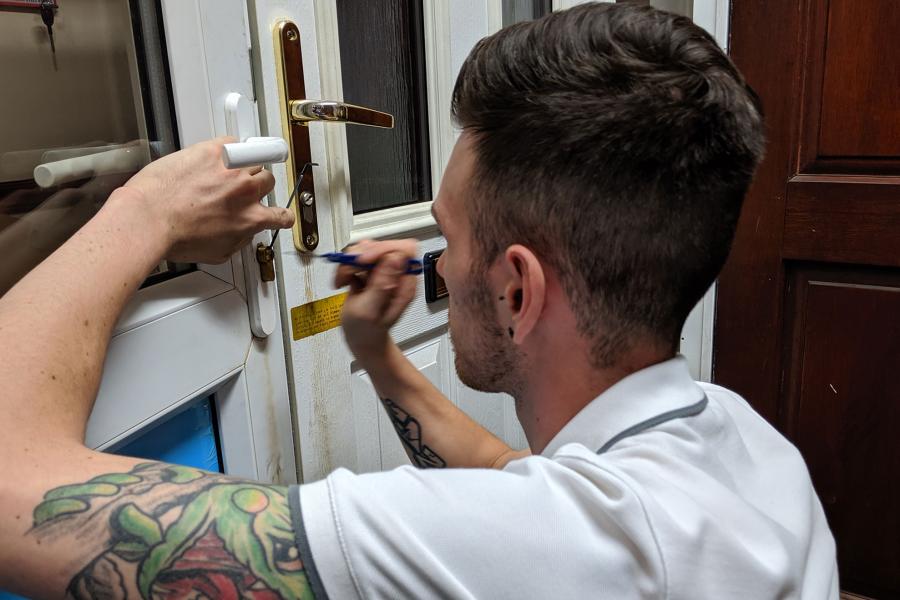
Training to become a locksmith or auto locksmith can take anything from a few weeks to a few years, depending on the route you choose. Here’s a breakdown of the different options:
1. Short Courses (1-4 Weeks)
Many private locksmith training programs offer intensive courses that can last from a few days to a few weeks. These courses cover the basics, including:
- Lock picking
- Key cutting
- Lock installation and repairs
- Basic security systems
This is the quickest way to start working as a locksmith, but real-world experience is essential to becoming proficient.
2. Apprenticeships (1-3 Years)
A more traditional way to learn is through an apprenticeship with an experienced locksmith, which can take 1 to 3 years. This route provides hands-on training and a deeper understanding of complex lock and security systems.
3. Certification & Advanced Training (Varies)
Some locksmiths choose to get certified through professional bodies like the Master Locksmiths Association (MLA) in the UK or similar organizations. Certification isn’t always required but can help with credibility and business opportunities.
How Long Until You Can Work as a Locksmith?
- With an intensive course, you can start working within a few weeks (though experience takes time).
- With an apprenticeship, you’ll gain skills over 1-3 years but will likely be earning while training.
Where to Train as a Locksmith
Your best training option depends on your location and learning preference. Here are some common routes:
1. Locksmith Training Courses (Fast-Track Option)
If you want to start quickly, look for accredited locksmith training colleges in your area. In the UK, the OFQUAL courses in commercial locksmithing and automotive locksmithing are the only two official government accredited courses and should be the courses you go for, however there are cheaper privately run courses from the like of the MLA if you just want to get in to industry without official accreditation.
But beware, some corporations, especially government departments tend to require official OFQUAL qulaifications before you can work in/on their buildings so this private course route may prevent you getting large contracts.
2. Apprenticeships (Hands-On Experience)
If you prefer learning on the job, reach out to local locksmith businesses and ask about apprenticeship opportunities. This will give you hands-on experience and may even lead to a full-time job.
3. Online Courses & DIY Practice
Some online platforms offer locksmith training videos and resources. While this is good for theory, practical experience is crucial.
Essential Tools to Start as a Locksmith
To begin your locksmith journey, you’ll need a few essential tools:
Lock Pick Set – Includes hooks, rakes, tension wrenches, and ball picks.
Key Cutting Machine – If you plan to cut keys, investing in a manual or automatic key-cutting machine is essential.
Drill & Extractors – For removing broken keys and damaged locks.
Plug Spinner – Helps reposition lock components after picking.
Lock Decoders – Allows you to determine the correct key code for specific locks.
Hand Tools (Screwdrivers, Pliers, etc.) – Needed for lock installation and repairs.
Bump Keys & Hammer – Used for bump key lock opening techniques.